
- Published on
Explore the Cultural Phenomenon of Trap Music Songs: From Atlanta's Underground to Global Dominance
- AUTHOR
 Sofia BennettContent Specialist
Trap music songs, a subgenre of hip-hop, have become a significant force in the entertainment industry. Born in the early 2000s within Atlanta's underground scene, these songs have captivated audiences with their distinct beats and cultural narratives. The genre's explosive growth raises the question: What makes trap music so influential?
The Defining Characteristics of Trap Music Songs
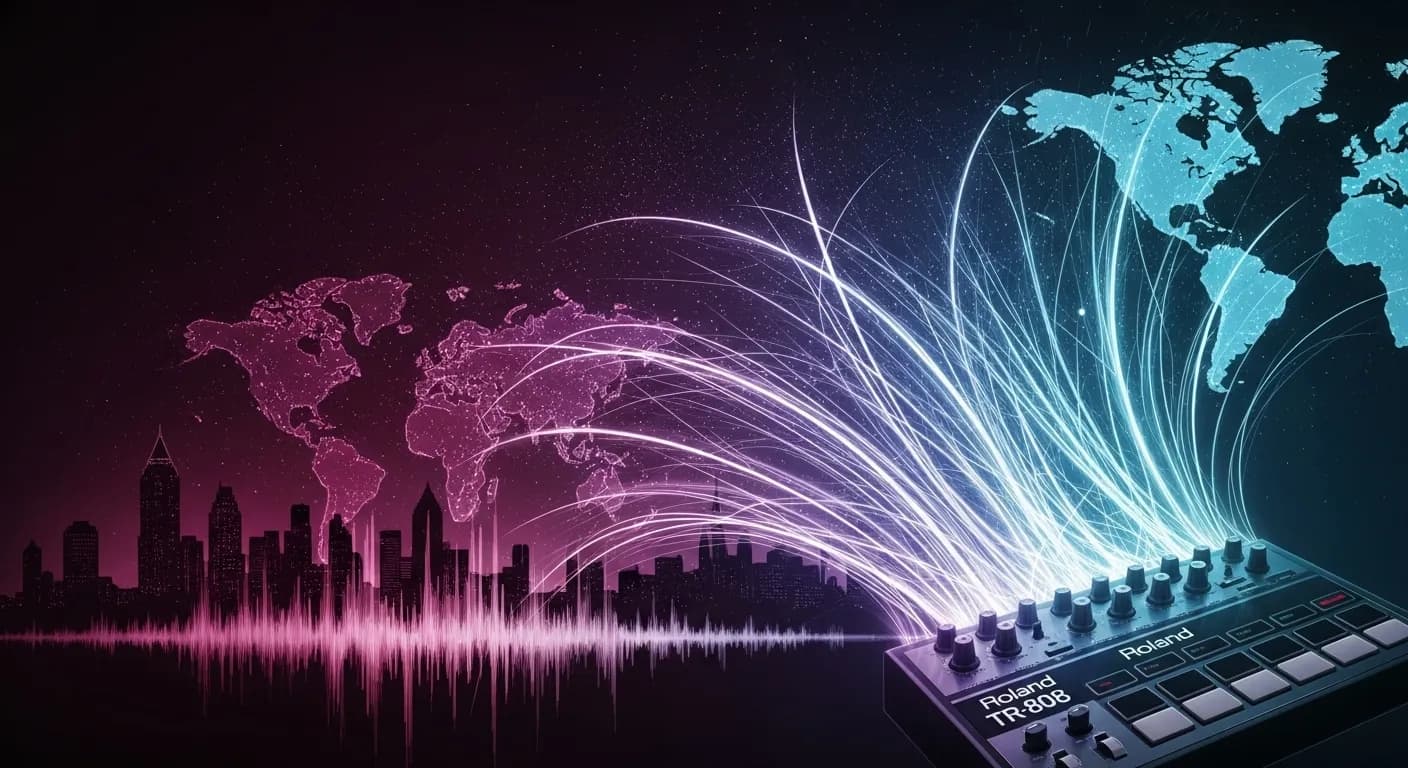
Trap music is known for its unique production style with rapid hi-hat rolls, deep basslines from the Roland TR-808 drum machine, and moody synths. These elements create a dark, ominous tone that complements the lyrical themes of street life and hardship. Lyrics often explore the harsh realities of life in the "trap," a term denoting areas associated with drug dealing and poverty. This authenticity resonates with audiences, lending trap music songs an edge that is both raw and relatable. The genre's crossover into pop, R&B, and EDM, with artists like Beyoncé and Ariana Grande incorporating trap elements, highlights its versatility and broad appeal. This fusion has made trap music a staple in contemporary entertainment.
Notable Trap Music Songs and Their Impact
Songs such as "Bad and Boujee" by Migos and "Mask Off" by Future are iconic examples of trap music's impact. These tracks, alongside others like "Sicko Mode" by Travis Scott, have not only topped charts but also defined a cultural moment. Artists like Future and Migos have played pivotal roles in popularizing trap music globally. Their influence is evident in cross-genre collaborations, such as those with EDM artists like Diplo, which have further broadened trap’s reach. The success of tracks like "Old Town Road" by Lil Nas X illustrates trap's adaptability and its ability to transcend traditional genre boundaries, incorporating elements of country music to create a unique sound that captivates diverse audiences.
Trap Music's Cultural and Entertainment Influence
Trap music songs have evolved beyond music to influence fashion, slang, and lifestyle. The term “trap” has entered everyday language, and trap-themed events like karaoke have become entertainment staples. Moreover, fitness brands have embraced trap-themed workouts, showcasing the genre's integration into various facets of daily life. This widespread influence underscores trap music's role as a powerful cultural force, reflecting both its gritty origins and mainstream appeal. As of June 19, 2025, trap music remains a dominant aspect of the entertainment landscape, continuously evolving and shaping global cultural trends.
In conclusion, trap music songs are more than just a subgenre of hip-hop; they are a cultural phenomenon. With their distinctive sound and authentic storytelling, they have captured the hearts of audiences worldwide. As trap music continues to evolve, its impact on entertainment and culture is poised to grow even further.
For this blog, MINYVINYL used generative AI to help with an initial draft. An editor verified the accuracy of the information before publishing.
Subscribe to our newsletter
Get notified when we publish new content. No spam, unsubscribe at any time.